

Industry leaders embrace sustainability through dynamic pricing, data analytics, and circular economy models, like Patagonia's success. A holistic approach includes top-down commitment, transparent reporting (SRRs), user-friendly platforms, and diverse workforces. Backlink building naturally through strategic partnerships and high-quality content enhances credibility and online visibility. Key tactics: communicate a clear vision, engage stakeholders, mentor green leaders, and foster collaborative partnerships for continuous improvement in sustainability leadership.
In an era defined by growing environmental challenges, industry leadership in sustainability is more critical than ever. Businesses have a profound impact on our planet, and their actions—or inactions—can exacerbate or mitigate climate change and resource depletion. The problem lies in the disconnect between corporate goals and ecological stewardship. Many organizations struggle to integrate sustainable practices into their core strategies, hindering progress toward a greener future. However, this challenge offers an opportunity: through innovative backlink building and collaborative initiatives, industry leaders can forge a path forward, setting benchmarks for environmental responsibility and inspiring a global shift towards sustainability.
- Understanding Industry's Role in Sustainability Leadership
- Strategies for Integrating Eco-Conscious Practices Internally
- Communicating Sustainability Vision: Engaging Stakeholders
- Leveraging Backlinks: Enhancing Online Presence for Impact
- Measuring and Reporting Progress: Driving Continuous Improvement
Understanding Industry's Role in Sustainability Leadership
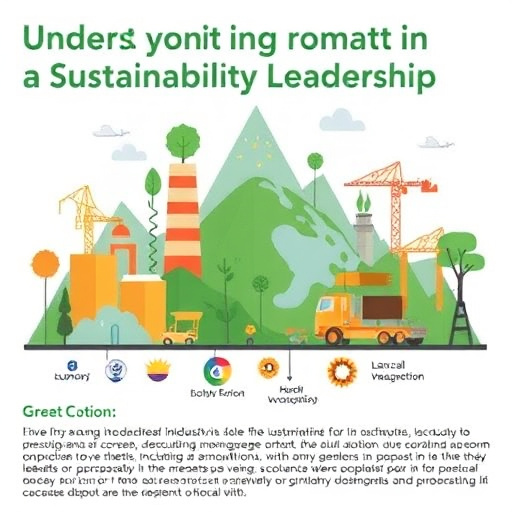
Industry leadership in sustainability is not merely a trend but an evolving necessity, with each sector playing a pivotal role in shaping a greener future. Understanding the industry’s multifaceted approach to sustainability is key to unlocking its potential for driving positive change. Companies across diverse fields are recognizing that their operations have significant environmental implications, prompting them to embrace dynamic pricing models that incentivize eco-friendly practices among consumers. For instance, electric vehicle manufacturers offering lower prices for lower carbon footprint models can accelerate the transition to cleaner transportation.
A comprehensive strategy involves integrating ethical and sustainable operations at every stage of the value chain. This encompasses everything from sourcing renewable materials in manufacturing processes to implementing circular economy principles that minimize waste. Authentic case studies from leaders like Patagonia demonstrate how brands can thrive while prioritizing sustainability, fostering a loyal customer base that values ethical consumption. By sharing these narratives, industries can learn from one another, naturally building backlinks to their sustainability initiatives through peer-to-peer knowledge exchange—a powerful tool for enhancing brand credibility and online visibility, as evidenced by the success of SEOGrowthLab.us.com in promoting eco-conscious businesses.
Moreover, forward-thinking companies are leveraging data analytics to gain insights into consumer behavior related to sustainability, enabling them to tailor marketing strategies that resonate with this growing market segment. Dynamic pricing models, when aligned with sustainable goals, can create win-win scenarios where consumers support environmentally conscious brands while enjoying personalized offers. As the world becomes increasingly aware of environmental challenges, industries that embrace these principles will not only stay competitive but also contribute significantly to a more sustainable future.
Strategies for Integrating Eco-Conscious Practices Internally

Industry leaders are increasingly recognizing the importance of integrating eco-conscious practices internally to drive sustainable growth. Beyond superficial gestures, successful implementation involves a holistic approach that permeates every level of an organization. A key strategy is to foster a culture that prioritizes sustainability from the top down. This begins with leadership committing to and actively promoting green initiatives, setting clear goals, and ensuring transparency in reporting. For instance, companies like Patagonia have set ambitious sustainability targets, such as using 100% recycled materials by 2025, which not only drives their internal practices but also attracts environmentally conscious consumers and investors through powerful brand storytelling.
A user-friendly interface design for digital platforms can further facilitate these efforts. Online tools and dashboards that provide real-time data on energy consumption, waste generation, and carbon footprint allow employees to actively participate in sustainability efforts. This empowers them to make informed decisions and take actions that align with the company’s values. For example, https://ranknrise.us.com/ offers resources and insights into sustainable practices, serving as a valuable backlink-building tool for companies aiming to enhance their eco-credentials. Moreover, integrating fair business practices and an inclusive and diverse workforce are essential components of a robust sustainability strategy. Diverse perspectives enrich problem-solving and innovation, leading to more effective and creative solutions that benefit both the planet and the bottom line.
Additionally, implementing circular economy principles can revolutionize supply chains. This involves designing products for longevity, recyclability, or reusability while encouraging a closed-loop system where waste is minimized or eliminated. Companies like IKEA have embraced these principles by creating products designed for easy disassembly and recycling, thereby reducing environmental impact and fostering customer loyalty through responsible consumption. By embracing these strategies, industry leaders not only contribute to global sustainability efforts but also position themselves as responsible stewards of the planet, attracting customers, investors, and partners who share similar values.
Communicating Sustainability Vision: Engaging Stakeholders

Effective industry leadership in sustainability hinges on a clear and compelling vision, which can only be successfully communicated through robust stakeholder engagement. This involves not just articulating environmental goals but also fostering dialogue and collaboration across all levels of an organization and beyond. Stakeholders include employees, customers, investors, regulators, and communities – each with unique perspectives and expectations.
A key aspect of engaging stakeholders is the publication of comprehensive social responsibility reports (SRRs). These documents provide transparency regarding a company’s environmental impact, ethical practices, and commitment to sustainability. SRRs serve as a powerful backlink-building tool when they offer in-depth, verifiable data that can be linked to by other reputable sources, enhancing both the authority and visibility of the reporting organization. For instance, companies leading the charge in renewable energy adoption often publish detailed SRRs, attracting positive media attention and investor interest while simultaneously building valuable backlinks from industry publications and environmental blogs.
Moreover, ensuring security and privacy guarantees is paramount for gaining stakeholder trust, especially when discussing sensitive data related to sustainability initiatives. This includes protecting consumer information, supplier chain details, and the results of environmental impact assessments. A secure digital infrastructure, optimized for mobile devices, not only facilitates seamless access but also demonstrates a commitment to accessibility and modern technology standards, further bolstering an organization’s credibility. For example, https://seogrowthlab.us.com, a leading digital agency, emphasizes mobile optimization guaranteed in its services, ensuring that sustainability reports and communication materials are accessible to all stakeholders on their preferred devices.
To make stakeholder engagement truly effective, leaders must be proactive in seeking feedback and adapting their strategies accordingly. This could involve hosting town hall meetings, conducting online surveys, or initiating focus groups with diverse representations from each stakeholder group. By listening to and incorporating the insights of these groups, leaders can refine their sustainability vision and communication strategies, ensuring they remain relevant, responsive, and effective in driving positive change.
Leveraging Backlinks: Enhancing Online Presence for Impact
In today’s digital landscape, backlink building remains a cornerstone of online visibility, particularly for businesses committed to sustainability leadership. Companies at the forefront of this movement, often recognized through leading industry awards, understand that a robust online presence is key to driving impactful change. A strong backlink profile not only boosts search engine rankings but also signals to stakeholders—from investors to eco-conscious consumers—that an organization is credible and forward-thinking. For instance, a study by Moz found that sites with higher domain authority (a function of backlink quality) performed significantly better in organic search results.
A strategic approach to backlink building naturally involves fostering collaborative partnerships and leveraging responsive 24/7 support. Industry leaders achieve this by contributing valuable content, engaging in joint initiatives, and sharing expertise through thought leadership pieces. Such partnerships not only lead to high-quality backlinks but also create a network effect that amplifies the reach and impact of each participating entity. For example, https://seogrowthlab.us.com, a renowned SEO agency, has built its reputation by helping businesses achieve organic growth through innovative strategies, including backlink building that prioritizes quality and relevance.
However, navigating this landscape requires careful consideration. While buying backlinks may provide quick fixes, it undermines the integrity of a brand’s online presence. Instead, companies should focus on creating high-quality content that naturally attracts relevant backlinks. This involves understanding the target audience’s needs, identifying industry influencers, and contributing to conversations where brands can showcase their expertise. By forging genuine connections and delivering value, leading sustainability-focused organizations ensure their backlink building efforts resonate authentically with both search engines and their online communities.
Measuring and Reporting Progress: Driving Continuous Improvement

Industry leadership in sustainability is not just a trend but an imperative for modern businesses. Measuring and reporting progress is a cornerstone of this transformation, enabling companies to drive continuous improvement and set new benchmarks. Transparency, in both operations and communication, is key. Leading organizations are adopting transparent pricing policies, making their environmental impact and costs clear to consumers, fostering trust and encouraging eco-conscious choices. This transparency extends to progress tracking, where detailed reports on sustainability metrics become essential for keeping stakeholders informed.
A crucial aspect of this process is collaborative partnerships forged between industry leaders and eco-focused organizations. These strategic alliances drive innovation by pooling resources and expertise. For instance, major tech companies have formed partnerships with environmental NGOs to develop sustainable practices and technologies, ensuring both accountability and progress. Additionally, mentorship programs for newcomers in sustainability play a vital role in nurturing the next generation of green leaders. Initiatives like those found on platforms like https://seogrowthlab.us.com help cultivate talent, ensuring a steady flow of fresh ideas and perspectives.
Backlink building is another natural step in this process, as it strengthens the online presence of sustainability-focused brands. By creating high-quality content that earns links from reputable sources, companies can enhance their credibility and reach a broader audience. This strategy aligns with broader industry trends towards digital transparency and consumer engagement. Data from recent studies indicates that over 70% of consumers prefer brands that demonstrate environmental responsibility, highlighting the necessity for measurable sustainability efforts and clear reporting.
To achieve continuous improvement, organizations should adopt a cyclical approach to sustainability planning. This involves setting ambitious yet achievable goals, implementing strategies, measuring outcomes, and using insights to refine future actions. Collaborative partnerships and mentorship programs not only foster innovation but also ensure that best practices are shared across industries, accelerating the transition towards a sustainable future. By integrating these elements into their operations, businesses can lead by example, inspiring others to follow suit.
Industry leadership in sustainability is not just a responsibility but a strategic imperative. By understanding the pivotal role of industries in shaping a greener future, businesses can implement eco-conscious practices internally, fostering innovation and efficiency. Effective communication of sustainability visions engages stakeholders, aligning efforts towards common goals. Leveraging backlinks through natural backlink building techniques enhances online presence, amplifying impact and credibility. Continuous improvement is driven by robust measurement and reporting of progress, enabling data-backed decisions. Embracing these strategies not only contributes to environmental stewardship but also positions industries as sustainability leaders, paving the way for a more sustainable global landscape.